Videos
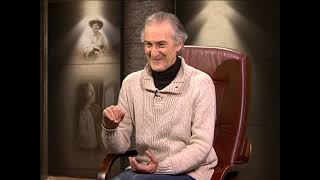
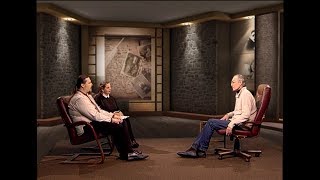
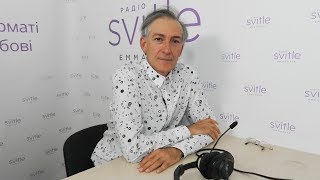
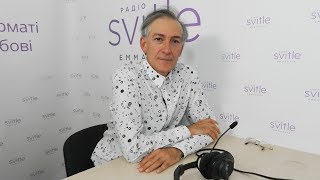
Alexander Pustovit's lectures on YouTube, gathered from several channels: courses, separate lectures, conversations and interviews.
Instruments of Classical Music: Bowed Strings
Philosophy of Music. Musical Ukraine
Glass Bead Games
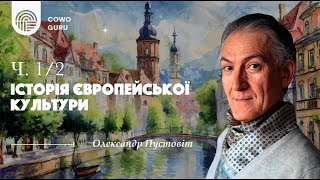
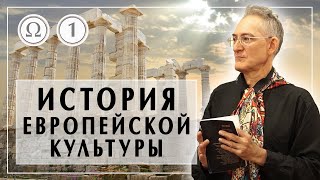
History of European Culture (a lecture in two parts)
History of European Culture (six lectures)
From the historical and social nature of culture through Antiquity, the Middle Ages, the Renaissance and the Baroque to the Enlightenment.
WatchLecture list
- Lecture 1. History of European Culture: the Historical and Social Nature of Culture
- Lecture 2. Antiquity. History of European Culture
- Lecture 3. History of European Culture: the Middle Ages
- History of European Culture 4: the Renaissance
- History of European Culture, lecture 5: the 17th Century, the Baroque
- History of European Culture 6: the Enlightenment
Hryhorii Skovoroda. The Philosophy of Poetry
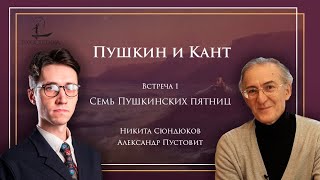
Seven Pushkin Fridays
Seven conversations about Pushkin with Nikita Syundyukov; Mikhail Kazinik joins two of them.
WatchLecture list
- “Seven Pushkin Fridays” 1 | Alexander Pustovit and Nikita Syundyukov
- “Seven Pushkin Fridays” 2 | Alexander Pustovit and Nikita Syundyukov
- “Seven Pushkin Fridays” 3 | Mikhail Kazinik, Alexander Pustovit, Nikita Syundyukov
- “Seven Pushkin Fridays” 4 | Mikhail Kazinik, Alexander Pustovit, Nikita Syundyukov
- “Seven Pushkin Fridays” 5 | Alexander Pustovit, Nikita Syundyukov
- “Seven Pushkin Fridays” 6 | Alexander Pustovit, Nikita Syundyukov
- “Seven Pushkin Fridays” 7 | Alexander Pustovit and Nikita Syundyukov
Alexander Pushkin
Pushkin and European culture: Napoleon, the Enlightenment, Voltaire and Parny, Goethe and classical German philosophy.
WatchLecture list
- Pushkin on Napoleon. Introductory lecture of the course “Alexander Pushkin”
- Pushkin and the Age of Enlightenment. Jean-Philippe Rameau's “Les Tendres Plaintes”. Lecture 2
- Alexander Pustovit reads poetry in French, in the original. Pushkin, Voltaire, Parny. Lecture 3
- “The Maid of Orleans”. Pushkin, Voltaire, Parny. Part 2. Lecture 4
- The Contradictory Pushkin. Lecture 5
- Pushkin and Classical German Philosophy. Goethe and Pushkin
A Lecture on Valentyn Silvestrov's Bagatelles
Alexander Pushkin and the Western European Philosophical Tradition
WatchLecture list
- “Alexander Pushkin and the Western European Philosophical Tradition” 1
- “Alexander Pushkin and the Western European Philosophical Tradition” 2
- “Alexander Pushkin and the Western European Philosophical Tradition” 3
- “Alexander Pushkin and the Western European Philosophical Tradition” 4
- “Alexander Pushkin and the Western European Philosophical Tradition” 5
Logic: Four Lectures
A Course in Self-Knowledge
Hesse, “The Glass Bead Game”: Slow Reading
History of European Culture
Ten lectures: from the question “what is culture?” through Antiquity, the Middle Ages, the Renaissance and the 17th-century scientific revolution to Romanticism.
WatchLecture list
- History of European Culture 1: What Is Culture?
- History of European Culture 2: Antiquity. Aleksei Losev
- History of European Culture 3: the Middle Ages 1/2
- History of European Culture 4: the Middle Ages 2/2
- History of European Culture 5: the Renaissance in Brief 1/2
- History of European Culture 6: the Age of the Renaissance 2/2
- The Scientific Revolution of the 17th Century in Brief. History of European Culture 7
- Blaise Pascal's Philosophy in Brief. An Analysis of the “Pensées”. History of European Culture 8
- The Age of Napoleon and the Birth of Romanticism. History of European Culture 9
- The Age of Romanticism. Romanticism in Brief. History of European Culture 10
Aesthetics
Twelve lectures on the history of aesthetic thought, from the Presocratics and Plato to the Baroque and Romanticism.
WatchLecture list
- The Presocratics, Pythagoras, the Seven Sages, Heraclitus, Socrates. “Aesthetics”, lecture 1/12
- Plato. “Aesthetics”, lecture 2/12
- Plato's Dialogue “Symposium”. What Is Creativity? “Aesthetics”, lecture 3/12
- The Golden Ratio. What Is the Golden Ratio? “Aesthetics”, lecture 4/12
- The Aesthetics of the Christian Middle Ages. Lecture 5/12
- The Symbolism of Dante Alighieri. “Aesthetics”, lecture 6/12
- The Aesthetics of the Renaissance. Lecture 7/12
- Shakespeare: “Hamlet”, “Romeo and Juliet”; “Orpheus and Eurydice”. “Aesthetics”, lecture 8/12
- Why Is Pushkin's Play “Mozart and Salieri” a Masterpiece? “Aesthetics”, lecture 9/12
- The Aesthetics of Classicism and the Baroque. “Aesthetics”, lecture 10/12
- The Baroque Age. “Aesthetics”, lecture 11/12
- The Aesthetics of Romanticism. The Romantic Age in Art. Lecture 12/12
Music as a Medium
Eight lectures on European music: Scarlatti, the Bachs, Haydn, Mozart, Beethoven and the Romantics.
WatchLecture list
- Music as a Medium. Lecture 1/8. Domenico Scarlatti
- Sebastian Bach and Johann Christian Bach. Music as a Medium, lecture 2/8
- Music as a Medium 3/8. Joseph Haydn
- Music as a Medium. Mozart. Lecture 4/8
- Music as a Medium 5/8. Mozart and Beethoven
- The Age of Romanticism. Music as a Medium, lecture 6/8
- Music as a Medium 7/8. W. A. Mozart's “Don Giovanni”
- Schubert, Schumann, Chopin. Music as a Medium 8/8
Logic and Epistemology
From Aristotle's logic and Hegel's dialectics to Gödel's theorem and non-classical logics.
WatchLecture list
- Logic and Epistemology. Lecture 1. Aristotle's Logic. What Is Logic?
- Logic and Epistemology. Lecture 2. Abstract Thinking
- Logic and Epistemology. Lecture 3. Abstract Thinking
- Logic and Epistemology. Lecture 4
- Logic and Epistemology. Lecture 5
- Logic and Epistemology. Lecture 6. Hegel's Three Laws
- Logic and Epistemology. Lecture 7. Hegel's Dialectical Logic
- Logic and Epistemology. Lecture 8. Language and Thinking
- Logic and Epistemology. Lecture 9. What Is Truth?
- Logic and Epistemology. Lecture 10. Truth in Art
- Logic and Epistemology. Lecture 11. The Relation Between Sense and Nonsense
- Logic and Epistemology. Lecture 12. Gödel's Theorem, Metamathematics
- Logic and Epistemology. Lecture 13. Non-Classical Logics. Quantum Physics. Heisenberg
- Lewis Carroll: the Mad Tea-Party, an Analysis and the Difficulty of Translation. “Alice in Wonderland”
- Logic and Epistemology. Lecture 14. An Unsolved Problem of Mathematics: the Beginning of an Inquiry
The Seven Liberal Arts
Lectures 3, 4, 6 and 7 are available on YouTube.